
SCIENTIFIC MEETINGS & MEMBER’S ROLE
.
SPECIALISED COMMISSIONS: A FORUM FOR DIALOGUE AND COLLECTIVE EXPERTISE
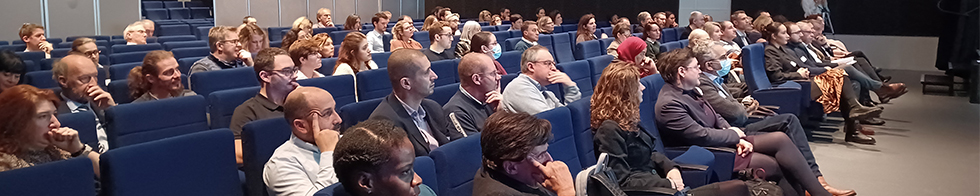
The Specialised Commissions provide a collaborative forum where participating laboratories come together to discuss issues relating to a specific analytical field. Their purpose is to support the continuous development of BIPEA’s proficiency testing programmes by drawing on the practical experience and expertise of their members.
Their main responsibilities are to:
- Monitor PT programmes through comprehensive programme reviews;
- Recommend improvements to ensure that programmes continue to meet the needs of laboratories while reflecting regulatory developments and technical innovations;
- Provide recommendations, expert opinions, and proposals on matters within their field of competence.
The recommendations issued provide valuable guidance for BIPEA’s technical decision-making and help ensure that its proficiency testing programmes remain relevant, robust, and aligned with the evolving needs of laboratories.
.
GOVERNANCE BUILT ON COLLECTIVE EXPERTISE
Each proficiency testing programme is placed under the scientific responsibility of a PT President, supported by a Technical Expert Group. This governance structure brings together complementary expertise, encourages the exchange of experience, and ensures the continuous improvement of programmes in line with the evolving needs of participating laboratories.
By combining the individual scientific expertise of the PTs Presidents with the collective knowledge of the Specialised Commissions, BIPEA ensures that its proficiency testing programmes remain scientifically robust, technically sound, and aligned with the expectations of laboratories and the industries they serve.
This collaborative governance model is a key strength, underpinning the quality, impartiality, and continued relevance of the proficiency testing programmes offered to BIPEA members.
.
ADVANTAGES OF SCIENTIFIC COMMITTEES.
.